Ruby Receptionists Review: Is It Worth It for Contractors?
Ruby Receptionists costs $235–$800+ per month for US-based live receptionists who take messages and follow intake scripts. For contractors, the key limitations are per-minute billing that spikes during busy seasons, no direct CRM booking, and no outbound speed-to-lead calls. Best suited for low-volume, business-hours-only operations under 100 calls per month.
TL;DR: Ruby takes a message. HulloDesk books the job. For high-volume HVAC, plumbing, and electrical contractors needing 24/7 CRM integration and direct booking, the cost-per-booked-job gap between Ruby and HulloDesk is significant.
Ruby Receptionists is a well-regarded live virtual receptionist service that has been around long enough to build a real reputation. For many small professional service businesses — attorneys, accountants, consultants — it works well. For trade contractors, the evaluation is more complicated. This review covers what Ruby actually delivers for HVAC, plumbing, and electrical businesses, where it fits, and where it doesn't.
What Ruby Does Well
Ruby's core product is professional human receptionists who answer your calls with your business name, follow a customized script, and collect caller information. The operators are US-based and trained to maintain a professional, warm tone. For businesses where call quality and human warmth are the primary criteria — and where call volume is moderate and predictable — Ruby delivers consistent results.
Ruby also handles caller experience reasonably well in non-urgent situations. A homeowner calling to ask about an annual HVAC tune-up, a customer checking on a service appointment, a general inquiry about pricing — these calls are handled appropriately by a Ruby operator who can follow your script and collect information politely.
Where Ruby Falls Short for Contractors
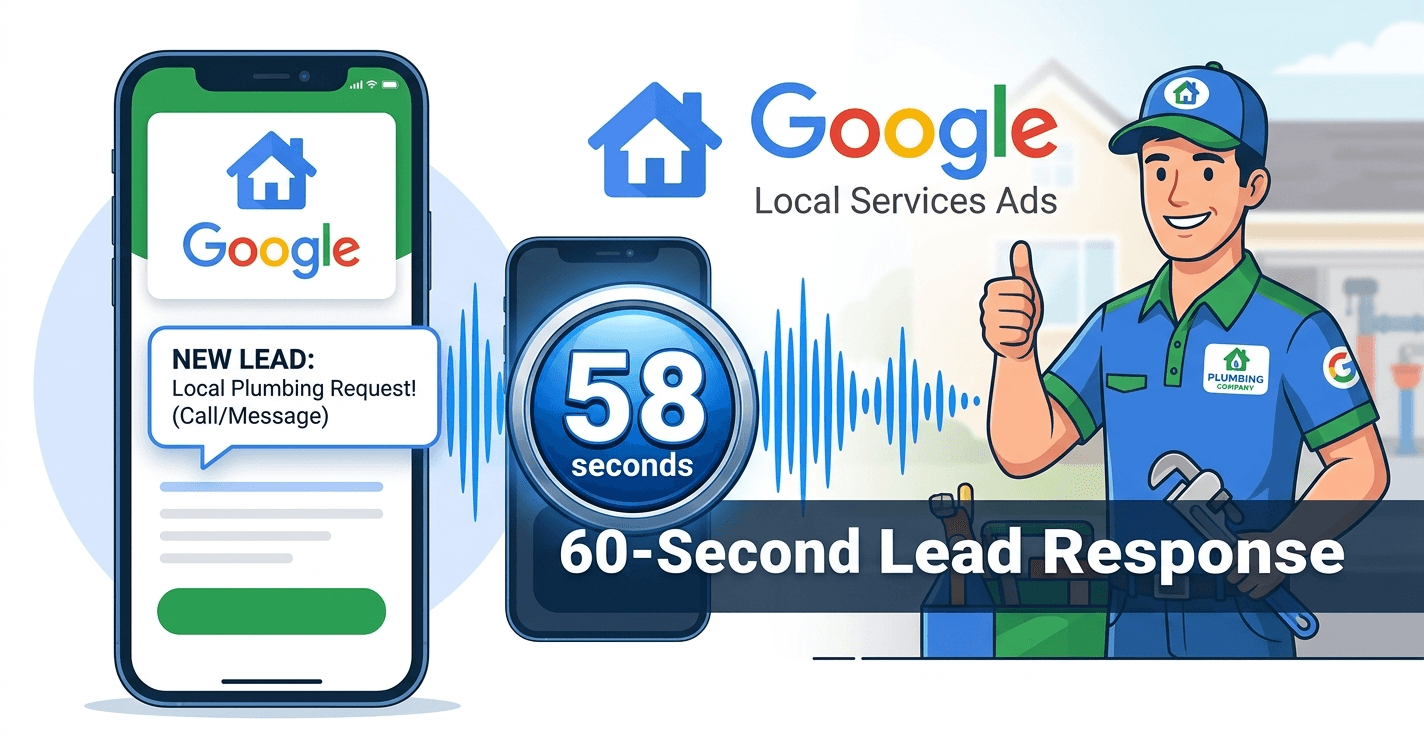
No real-time CRM booking. Ruby operators follow your script and send you a message. They don't book into Housecall Pro, ServiceTitan, or Jobber in real time. Your team receives a message — "John Smith called, needs AC repair, 555-1234" — and then has to call John back, reach him, collect any additional information, and manually create the appointment. For a busy contractor, this callback loop is both a time cost and a conversion risk. John may have already booked with the competitor who answered at 3:01 PM while he was still on hold with Ruby at 3:03 PM.
Per-minute billing that compounds during busy seasons. Ruby's pricing is based on receptionist minutes used. For a typical HVAC call during a busy season — a homeowner describing a multi-symptom issue, asking about pricing, discussing scheduling — that's 4 to 6 minutes per call. At Ruby's rates, a heavy call-volume month can push costs to $600 to $800 or more before you've factored in the monthly base fee. During a heat wave, your highest-revenue period becomes your most expensive call-handling month.
Limited emergency handling. Ruby operators can follow your emergency script and flag urgent calls differently. But they can't send a real-time SMS to your on-call tech with the customer's name, address, and problem summary. The message still goes through their notification system, which introduces delay in a situation where minutes matter.
Business-hours focus. Ruby offers extended hours, but 24/7 coverage at full quality is expensive. After-hours coverage at reduced service levels — which is what most plans provide — doesn't serve contractors well. HVAC emergencies at 11 PM need the same quality of response as a call at 11 AM.
The Cost of Callback: Where Ruby Loses You Jobs
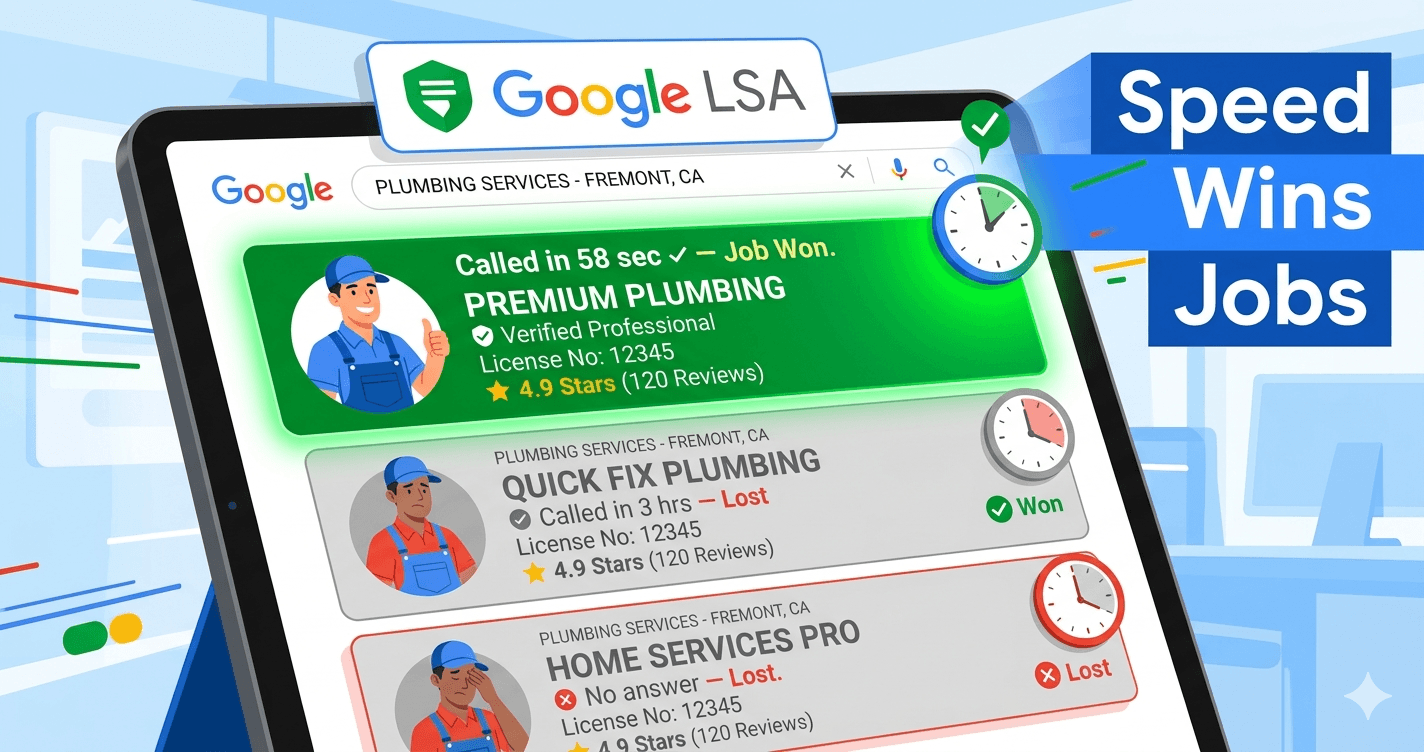
The most significant operational gap in any message-taking service isn't the quality of the message — it's the gap between when the customer called and when you call back. A homeowner with a burst pipe at 2 PM calls Ruby, leaves their info, and waits. You call back at 4 PM — two hours later. In those two hours, the homeowner has already called two more plumbers, gotten a callback from one of them 40 minutes after they called, and has a tech en route.
This is the Callback Gap. Ruby takes the message. The competitor who answered directly got the job. The revenue loss isn't visible — you don't know the customer called, so you don't count it as a missed job. But it's happening on every call that goes to Ruby and waits for your callback.
An AI receptionist eliminates the Callback Gap by booking the appointment during the original call. No callback needed. No 2-hour window for the customer to book elsewhere. The job is confirmed while the customer is still on the line.
Who Ruby Makes Sense For
Ruby is a reasonable choice for contractors with low-to-moderate call volume (under 100 calls per month), predictable business-hours-only call patterns, and no need for direct CRM integration. If your business operates primarily Monday through Friday, 8 to 5, and your average call is a simple scheduling inquiry, Ruby can be a good fit.
Better Alternatives for High-Volume Trades
For HVAC, plumbing, electrical, and other high-call-volume trades businesses, an AI-native platform built specifically for home services offers several advantages over Ruby: 24/7 operation with no per-minute billing, direct booking into your CRM, immediate emergency dispatch alerts, and a flat monthly cost that doesn't escalate with call volume or duration. HulloDesk starts at $299/month — often less than Ruby at equivalent call volumes — with a $2.99 / 14-day trial so you can evaluate on your real call flow before committing.
Compare HulloDesk to Ruby on your own call volume — try free →
How to get started
Follow these clear steps to implement this strategy in your business today.
Calculate your true Ruby cost at your call volume
Take your average monthly call count and multiply by average call duration (typically 3–5 minutes for service businesses). Compare that minute total against Ruby's plan tiers. Include overage rates — this is where most businesses discover the true cost.
Identify your CRM booking gap
Track how many Ruby messages require a manual callback from your team to complete the booking. Multiply callbacks by your average team time cost. This is the hidden labor cost of any message-taking service.
Run a side-by-side for 30 days
If switching from Ruby, run the AI alternative on your after-hours line for 30 days while Ruby continues on your main line. Compare booking rates directly from the same call volume data.
Frequently Asked Questions
Q:What does Ruby Receptionists cost?
Q:Can Ruby Receptionists book appointments into contractor CRM software?
Q:What are the best Ruby alternatives for trade contractors?
The AI Front Office Setup Checklist
Stop losing jobs to missed calls. Get the 4-step checklist we use to set up 24/7 AI receptionists for $1M+ trade businesses.
No spam · Instant PDF delivery · Unsubscribe anytime

Prajwal Kumar is the founder of HulloDesk and an expert in AI voice automation for the trades. He built HulloDesk after watching skilled contractors lose jobs to competitors who simply answered the phone faster. He writes about AI, lead conversion, and practical growth systems for HVAC, plumbing, electrical, and home service businesses.
View all insights by Prajwal