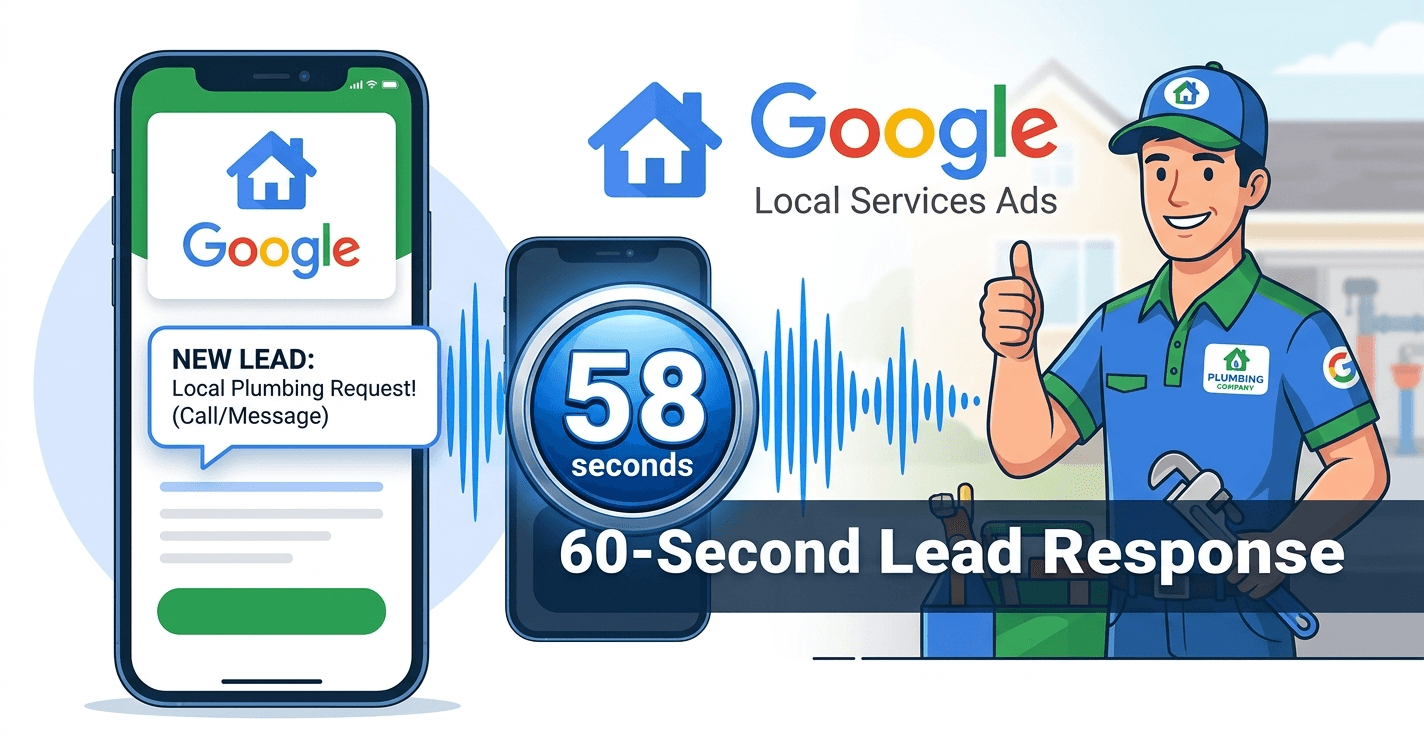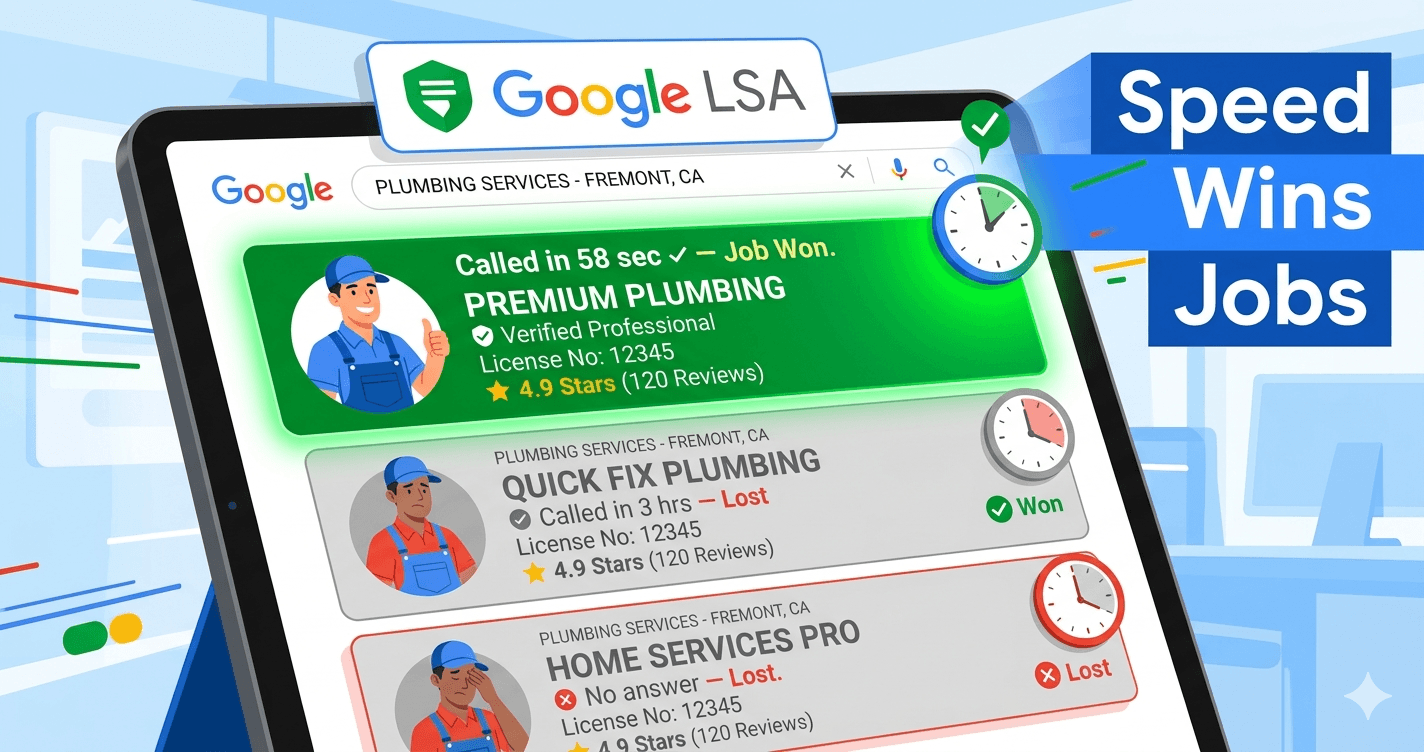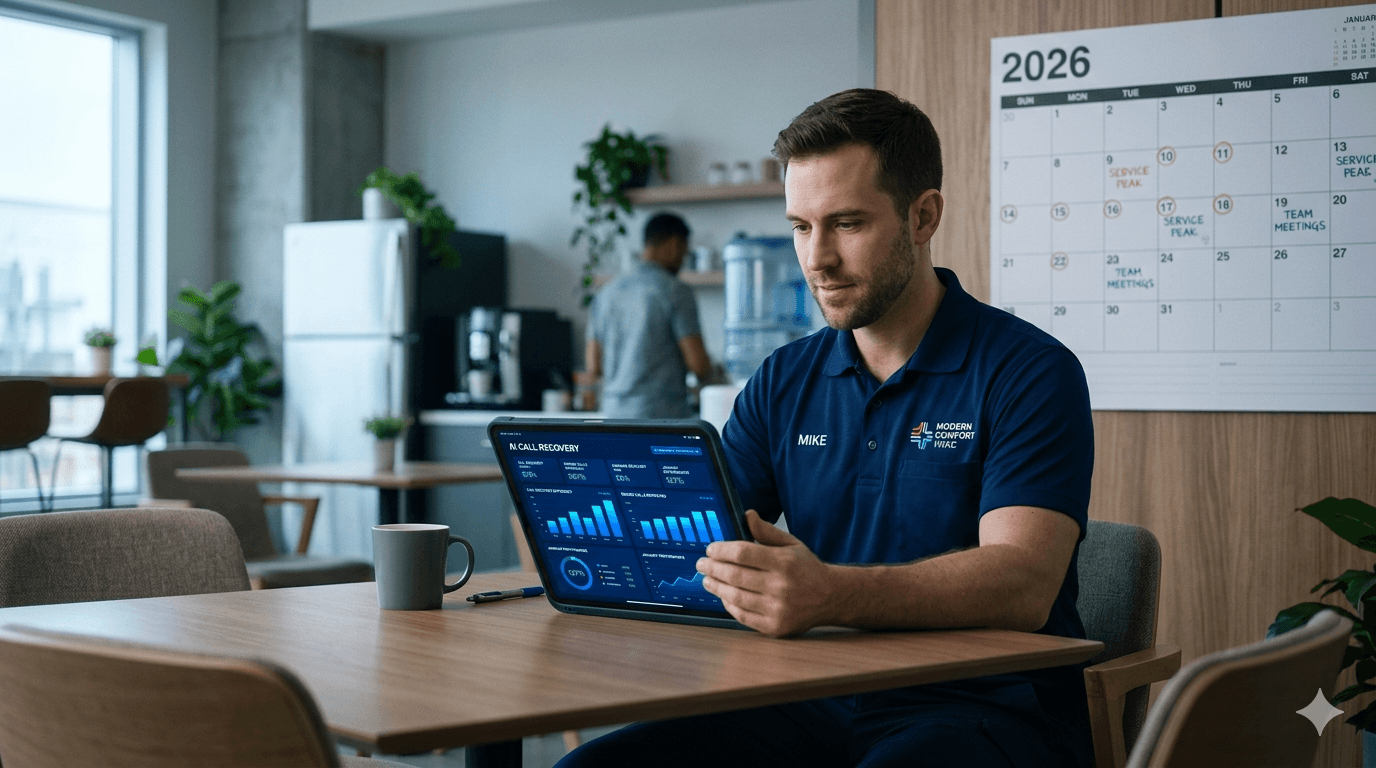
The best AI answering service for HVAC companies in 2026 handles unlimited concurrent calls during heat waves, integrates natively with ServiceTitan or Housecall Pro, and responds to new leads within 60 seconds. HulloDesk at $299 per month flat is the top choice — no per-minute billing, no hold times, full CRM integration.
TL;DR: The best HVAC answering service in 2026 handles heat-wave emergencies, books maintenance calls, and never puts a customer on hold. HulloDesk is the only AI-native option built specifically for HVAC contractors — with triage, CRM booking, and 24/7 coverage built in.
HVAC businesses have a call handling problem that is unique among the trades: it is highly seasonal, extremely urgent at its peak, and economically devastating to miss. When temperatures hit 100°F and every household in your service area is running their AC at maximum capacity, your phone rings in a way it doesn't in October. The calls that come in during those heat spikes are not casual inquiries — they are urgent, competitive, and gone within 60 seconds if nobody answers.
The HVAC Call Problem Is Structural, Not a Staffing Issue
Most HVAC companies try to handle peak-season call volume by staffing up — hiring seasonal CSRs, having technicians answer calls between jobs, or forwarding phones to a call center. These solutions create new problems. Seasonal CSRs take three to four weeks to train and can't start until the heat wave is already underway. Technicians on jobs can't answer phones consistently. Call centers get the script wrong, overpromise on scheduling, and have no access to your actual dispatch board.
An AI answering service solves the structural problem. It doesn't get overwhelmed. It doesn't need to be staffed up. It handles 1 call or 500 calls simultaneously, with the same knowledge, the same script, and the same booking accuracy — whether it's 2 PM on a Tuesday or 11 PM on a Sunday during the hottest week of the year.
What HVAC Businesses Actually Need From an AI Answering Service
After watching hundreds of HVAC companies configure AI call handling, the requirements that matter most consistently cluster around five capabilities:
- Unlimited concurrent call handling. Peak season means simultaneous calls. Every caller needs to be answered immediately — not placed in a queue.
- Emergency triage with dispatch alert. No AC with a vulnerable household member, no heat in freezing conditions, CO alarm detected — these are different from a noisy compressor. The AI needs to distinguish them and notify your on-call tech immediately.
- Real-time dispatch board integration. When the AI books an appointment, it should appear in your ServiceTitan or Housecall Pro dispatch board instantly — not as a message to process manually.
- After-hours coverage without staffing cost. HVAC emergencies don't happen on business-hours schedules. A 24/7 AI that costs a flat monthly rate is dramatically cheaper than a live answering service charging per-minute for 3 AM calls.
- Maintenance agreement upsell on inbound repair calls. Every inbound service call is an opportunity to pitch your recurring revenue product. An AI that consistently mentions your maintenance plan — and captures interested callers — generates significant incremental revenue.
The Revenue Math of Missed HVAC Calls
A standard HVAC service call runs $200 to $500. A system replacement is $5,000 to $15,000. During a heat wave, your company might receive 80 to 150 calls in a day. If 20% of those calls go unanswered — voicemail, busy signal, or a disconnected customer who called back after being on hold — that's 16 to 30 missed opportunities per day, worth $3,200 to $15,000 in lost revenue. Per day. During a peak period that might last two weeks.
An AI answering service that captures those calls and books them doesn't just recover lost revenue — it recovers revenue that would otherwise be untrackable, because missed calls don't appear anywhere in your reporting.
How HulloDesk Handles HVAC Call Volume
HulloDesk is built for the trades. HVAC businesses configure their emergency triage criteria, seasonal scripts, service area, and dispatch calendar — and the AI handles the rest. Every call is answered. Every emergency is flagged and dispatched. Every routine call is booked directly into your field service software. Maintenance plan upsell is built into the inbound script.
Pricing starts at $299 per month flat — no per-minute billing, no per-call fees, no surge pricing during your busiest season. The trial is $2.99 for 14 days. Most HVAC companies go live within a single afternoon and see their first AI-booked job before the end of the week.
How to get started
Follow these clear steps to implement this strategy in your business today.
Configure seasonal scripts before peak season
Set up your summer and winter scripts in advance — including emergency triage rules for high-heat and no-heat situations. Don't wait for the first heat wave to configure your AI. Be ready before the surge hits.
Define your emergency tier
Set the criteria that trigger immediate dispatch: no AC with indoor temps above 90°F, no heat below 35°F, CO alarm. Everything else goes to next-available-appointment booking.
Enable maintenance agreement upsell
Configure the AI to mention your maintenance plan when a caller books a repair. The AI explains the benefits, and interested callers are routed to a follow-up or direct signup.
Frequently Asked Questions
Q:What makes an AI answering service good for HVAC specifically?
Q:How does AI handle the call surge during a heat wave?
Q:Can AI book HVAC maintenance agreements, not just service calls?
Q:Which HVAC software does HulloDesk connect to?
The AI Front Office Setup Checklist
Stop losing jobs to missed calls. Get the 4-step checklist we use to set up 24/7 AI receptionists for $1M+ trade businesses.
No spam · Instant PDF delivery · Unsubscribe anytime

Prajwal Kumar is the founder of HulloDesk and an expert in AI voice automation for the trades. He built HulloDesk after watching skilled contractors lose jobs to competitors who simply answered the phone faster. He writes about AI, lead conversion, and practical growth systems for HVAC, plumbing, electrical, and home service businesses.
View all insights by Prajwal